
(A2PM) Advanced Physics of Pharmaceutical Materials
The Advanced Physics of Pharmaceutical Materials (A2PM) master track is a two-year programme within the University of Lille's Master's in Fdundamental Physics and Applications, with the option to enter in the first or second year. It is targeted students trained in physics, physical–chemistry or materials science. The master's programme aims to train students in an international scientific context, so it is 100% taught in English.
Training objectives
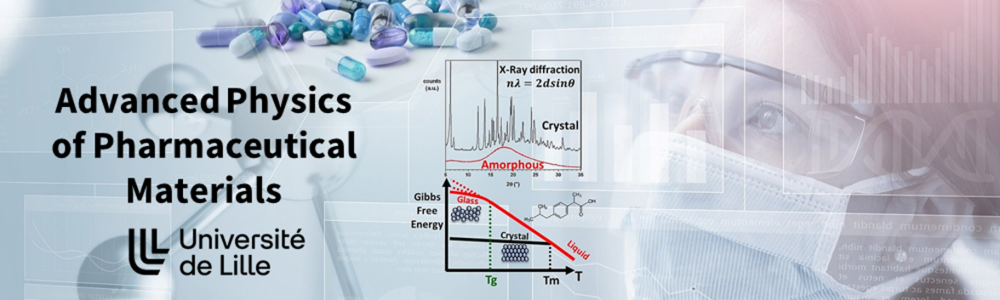
The Advanced Physics of Pharmaceutical Materials (A2PM) master track seeks to provide students with a comprehensive understanding of physics of materials its multifaceted applications in pharmacy. The programme integrates core disciplines such as physics, materials science and pharmacy. It leverages the specialties and research strengths to offer a multidisciplinary and innovative curriculum. A2PM applies fundamental physical principles common in materials science to address challenges in areas such as: Drug delivery systems, manipulation of physical states of drug forms, manufacturing and processing of nanoscopic and microscopic particle systems, structure and properties of bulk powders and their assemblies (e.g., tablets), or improving the stability of dried protein drugs for pharmaceutical applications. The programme offers a comprehensive curriculum that balances theoretical knowledge and practical application.
The training is based on the knowledge and expertise of the following laboratories: UMET (Unité Matériaux et Transformations), PhLAM (Laboratoire de Physique des Lasers, Atomes et Molécules) and INSERM U1008: Advanced Drug Delivery Systems.
Recruitment profiles
Students sought for entry into the first year will have a bachelor's degree in Physics, Physics-Chemistry, Materials science or equivalent. We also accept direct enrollment in the second year for students who can demonstrate completion of a first year of a master's programme or a fourth year of higher education.
The enrollment procedures depend on your background and are described on the pages dedicated to first-year enrollment and second-year enrollment.
What is the role of Physics in pharmaceutical innovation?
A major obstacle in advancing drug development is the acute shortage of scientists with expertise in both pharmaceutical materials and the physics of materials. Typically, young scientists possess one of these skill sets but not both.
Pharmaceutical development has reached a point where “trial and error” practices alone are no longer sufficient. Many fundamental problems remain unresolved, and the current state-of-the-art in pharmacy cannot address them effectively. There is therefore a need to reorient training so that a strong understanding of physics is incorporated, allowing us to move beyond the current empirical approach. This requires, in particular, a fundamental understanding of the different physical states of matter (crystalline and amorphous) and the mechanisms of transformation induced by equilibrium and nonequilibrium perturbations of various types (such as variations in temperature or pressure, as well as grinding or dehydration).
Pharmaceutical materials present unique challenges related to their solubility, stability, and physical state, all of which directly affect their efficiency in vectorization, controlled release, and bioavailability. For example, around 70–90% of new drug candidates are nearly insoluble in water: they do not dissolve naturally in the body. Their solubility can be up to 100 million times lower than that of common table salt (NaCl). To overcome this major technological bottleneck, manipulating the physical state of drugs has proven to be an effective strategy. Approaches include micronization, crystalline metastable polymorphs, co-crystals, nanocrystals, and fully amorphous formulations.
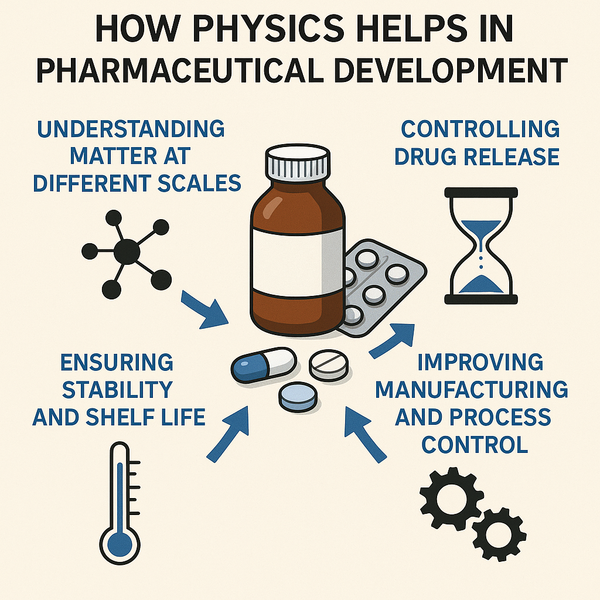
Physics can help pharmaceutical development because drugs are physical systems, and understanding their physical behavior is essential for designing safe, effective, and manufacturable medicines.
Examples showing how the discipline of physics contributes:
1. Understanding matter at different scales. Physics explains how atoms, molecules, particles, and bulk materials behave. In pharmacy, this helps with: Molecular interactions that affect solubility and stability, particle behavior that determines dissolution rate and bioavailability or bulk properties like flow, compression, and mechanical strength of powders.
2. Controlling drug release. Controlled-release formulations rely on physical mechanisms such as: Diffusion, Osmosis, Erosion, Swelling. Physics provides the models that predict how fast a drug will be released from tablets, capsules, patches, implants, or nanoparticles.
3. Designing nanomedicines and advanced drug delivery systems for technologies like: lipid nanoparticles, nanocrystals, micelles, liposomes. Physics helps explain: surface energy, fluid dynamics, colloidal stability, nanostructure formation. This is crucial for vaccines, cancer therapies, and targeted delivery systems.
4. Ensuring stability and shelf life. Solid-state Physics helps predict: Polymorphic transitions, crystallization versus amorphous behavior, moisture uptake or thermal stability. These physical transitions can dramatically change a drug’s safety and efficacy.
5. Improving manufacturing and process control. Pharmaceutical manufacturing is heavily based on physical principles: Powder flow (granular physics), mixing and blending (fluid and particle dynamics), compression (mechanics and elasticity), drying and filtration (heat and mass transfer). Without Physics, processes would fail, leading to inconsistent or unsafe products.
6. Analytical and imaging techniques come from Physics. Many key characterization tools are physics-based: X-ray diffraction (XRD), Differential scanning calorimetry (DSC), Spectroscopy (IR, UV-Vis, Raman, THz), Microscopy (SEM, TEM). These are essential to understand structure, stability, purity, and performance.
7. Modeling and simulation come from Physics. Physics enables modeling that enable fundamental understanding and prediction that can saves time (and money): Atomic scale simulations (Molecular dynamics, quantum Hartree-Fock, DFT), diffusion and transport models. This reduces trial-and-error long experiments.
Analytical methods and tools
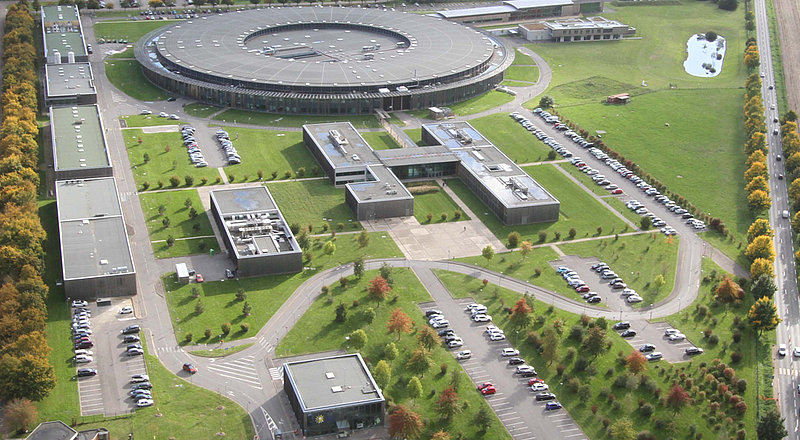
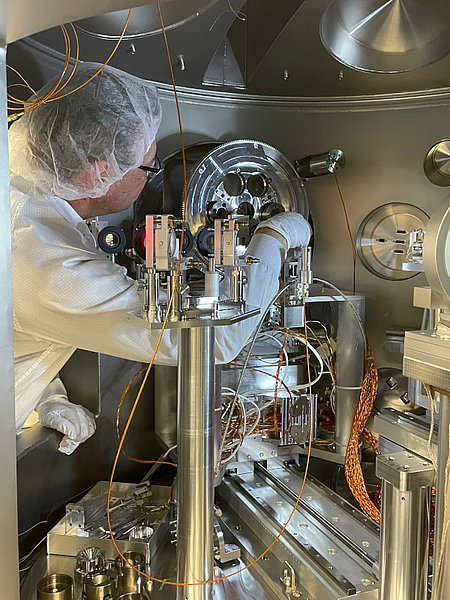
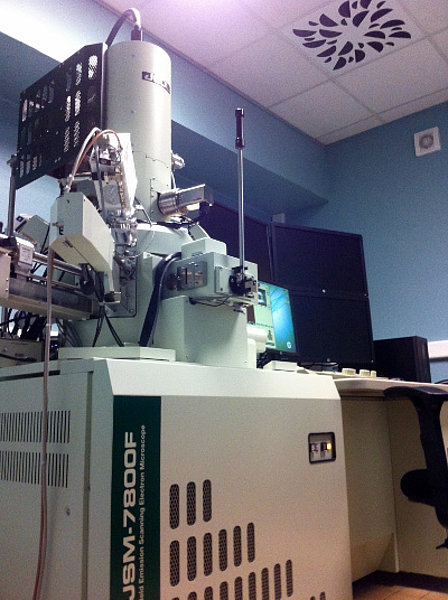
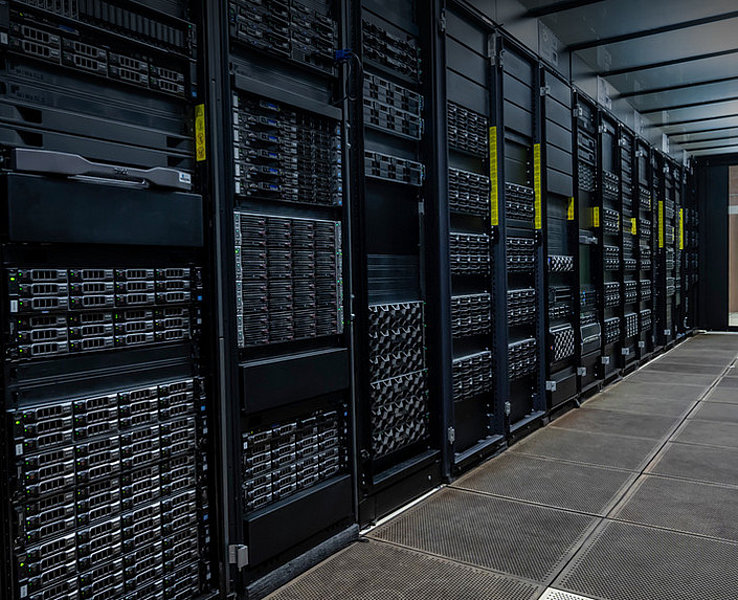
During their studies, students will have the opportunity to learn
- how to use advanced characterization methods involving spectroscopy and diffraction, on high-level instruments such as the scanning and transmission electron microscopes at the Lille Electron Microscopy Platform;
- how to analyze data from experiments conducted on large research instruments or accelerators (the SOLEIL synchrotron, for example);
- how to perform intensive scientific computing (Molecular Dynamics simulations, Hartree-Fock, periodic and non-periodic DFT calculations) using the high-performance computing (HPC) infrastructures at the Université of Lille;
- not to mention the range of instruments available at partner laboratories.
International
The program is part of the University of Lille's Graduate Program Materials for a Sustainable Future, which aims to train scientists to tackle the major challenges associated with the transitions currently underway through materials science.
It is strongly associated with the Erasmus Mundus BIOPHAM programme, with which it shares most of the courses offered at the University of Lille. It is also associated with the Physics of Molecules and Materials (PMM) programme, with which it shares approximately 50% of its courses.
In order to welcome students from all backgrounds and prepare them to work in a European and international context, the language of instruction is English. The teachers are French-speaking and able to answer questions and interact in French, but the courses are taught in English.
Skills acquired upon completion of the degree
A2PM will train the next generation of material scientists to meet the growing international demand for highly qualified graduates with both theoretical and applied expertise in the physics of materials and their applications to pharmaceutical systems. The programme will offer a comprehensive interdisciplinary education and training curriculum covering structural and microstructural properties, dynamics in amorphous states, mechanical properties, drug product development, and pharmaceutical technologies. It will also highlight the specific features of pharmaceutical materials and their particular design principles in comparison with other classes of materials such as metals, ceramics, and polymers.
A2PM will further promote excellence and innovation by offering specialized training in advanced experimental and numerical tools for which there is a clear need for expert education in the field. Students will have the opportunity to specialize in numerical methods (classical molecular dynamics, quantum approaches, artificial intelligence) as well as advanced experimental characterization techniques, including calorimetric methods for thermal analysis (DSC/TGA, MDSC), structural analysis techniques (X-ray diffraction, electron microscopy SEM/TEM), spectroscopic methods (THz, Raman, IR, dielectric spectroscopy), and techniques available at synchrotron and neutron facilities (large-scale instruments).
Beyond scientific expertise, A2PM will equip students with a range of transversal professional and communication skills through language courses, project-based learning activities—including oral and poster presentations—and long-term internships. Students will particularly benefit from an internation extensive network of industrial partners (full shared with BIOPHAM) comprising major pharmaceutical companies, small and medium-sized enterprises (SMEs), spin-offs, start-ups, contract research organizations, drug manufacturers, and international clusters of public and private stakeholders. These additional competencies will enable graduates to integrate seamlessly into the global professional environment and successfully pursue careers in both academia and industry.
Program
The master's program is organized into two years and four semesters of 30 credits each, with classes and internships from September to June or July, for a total of 120 ECTS credits. In order to welcome students from all backgrounds and prepare them to work in a European and international context, the language of instruction is English. The majority of teachers are French-speaking and able to answer questions and interact in French, but classes are taught in English.
Skill and knowledge blocks
The courses are structured into three skill and knowledge blocks (BCC - Blocs de Compétences et Connaissances) described below.
- BCC1 Implementing fundamental physics tools and approaches to produce highly specialized knowledge
- BCC2 Producing and communicating highly specialized knowledge, including in a professional context
- BCC3 Solving complex problems by applying fundamental physics concepts
Syllabus
You will find details of the course content in a detailed syllabus.
First year master program
The first year is divided into two semesters, with classes
- from September to December for the first semester;
- from January to the end of April for the second semester;
- a two-month internship in May and June (which may be extended into July and August).
The programme is based on traditional teaching in the form of lectures and tutorials, project-based teaching, and practical work, both digital and instrumental.
Some of the courses are shared with the MASTER programmes: Physics of Molecules and Materials (PMM), Erasmus Mundus BIOPHAM, Quantum and Photonic Technologies (QPT), Integrated Research for Advanced Chemistry and Materials (IRACM).
Specific courses in Pharmacy will be held at the College of Pharmacy (UFR3S).
List of courses (year 1)
BCC1 Implementing fundamental physics tools and approaches to produce highly specialized knowledge
- Introduction to Pharmaceutical Materials Science – 6 ECTS
The course provides an introduction to pharmaceutical materials science by presenting molecules, their interactions, and the nature of ordered and disordered associated materials and their transformations. It also introduces key experimental methods for structural and thermodynamic characterization. - Drug product development and pharmaceutical technology I – 3 ECTS
This course provides hands-on and theoretical training in drug formulation, manufacturing, and quality control of various pharmaceutical dosage forms. - States of Matter and Materials Science Primers – 3 ECTS
Have a clear understanding of the different families of materials (metals and alloys, ceramics, polymers) based on their properties and microstructure.
BCC2 Producing and communicating highly specialized knowledge, including in a professional context
- Foreign language (French or English) – 3 ECTS
Improve your communication skills in a foreign language - PE or Graduate Programme Special Teaching – 3 ECTS
Learn on current topic from the Materials for a Sustainable Future graduate programme - Tutored trainings – 3 ECTS
Discover new topics in physics based on the scientific literature, and develop your teaching and presentation skills in front of your peers.
BCC3 Solving complex problems by applying fundamental physics concepts
- Continuum mechanics – 3 ECTS
Introduction to the principles of stress, strain, anisotropic and isotropic elasticity with applications covering a broad area relating to the mechanical behavior of materials. - AI and advanced computational methods in physics – 3 ECTS
Explore the intersection of AI, Machine Learning, and Physics in this class. Gain hands-on experience with cutting-edge techniques and applications tailored for the world of physics. - Atomic scale modeling I – 3 ECTS
Discover powerful simulation techniques like Molecular Dynamics and Monte Carlo to predict and design material properties at the atomic scale.
BCC1 : Implementing fundamental physics tools and approaches to produce highly specialized knowledge – 9 ECTS
- Elective course units – 6 ECTS
Pick 2 out of 3 among: Scientific programming (3 ECTS); Computational chemistry (3 ECTS) or Spectroscopic imaging (3 ECTS) - Large scale research infrastructures – 3 ECTS
This course aims to introduce students to the principles, functioning, and applications of major large scale research infrastructures (LSRI) used in both fundamental and applied research.
BCC2 : Producing and communicating highly specialized knowledge, including in a professional context – 12 ECTS
- Tutored trainings – 3 ECTS
Discover new topics in physics based on the scientific literature, and develop your teaching and presentation skills in front of your peers. - Experimental project – 3 ECTS
Develop students’ autonomy, scientific rigor, and technical skills through the realization of an experimental project in pairs. Apply theoretical knowledge acquired so far to solve a real-world problem. - Internship – 6 ECTS
A two-month-long experience in a professional working environment
BCC3 : Solving complex problems by applying fundamental physics concepts – 9 ECTS
- Condensed Matter II – Phonons – 3 ECTS
This lecture explores the vibrational properties of crystalline solids, from lattice symmetries and phonon dispersion to thermodynamic behavior. It provides the fundamental tools to understand heat capacity, thermal transport, and the quantum nature of lattice vibrations in condensed matter systems. - Fundamentals of molecular spectroscopy – 3 ECTS
Gain a solid understanding of the quantum mechanical principles behind molecular spectroscopy, with emphasis on rotational and vibrational transitions and the role of symmetry in determining spectroscopic activity. - Microstructures and defects in materials – 3 ECTS
Discover how grains, defects, and other microstructural elements and how they control the physical properties of materials.
Syllabus
You will find details of the course content in a detailed syllabus.
Second year master program
The second year is divided into two semesters, with
- classes from September to January;
- a five-month internship starting at the end of January and ending at the end of June (which can be extended into July and August but not be longer than 6 months).
As in the first year, the programme is based on traditional teaching in the form of lectures and tutorials, project-based teaching, and practical work, both digital and instrumental. Students also have the opportunity to work directly on research equipment, such as spectrometers and electron microscopes.
Some of the courses are shared with the Physics of Molecules and Materials (PMM), and with the Erasmus Mundus BIOPHAM programmes.
The specific courses in Pharmacy will be held at the College of Pharmacy (UFR3S).
Details of the courses for each semester and their distribution into skill and knowledge blocks and teaching units are described below.
List of courses (year 2)
BCC1 Implementing fundamental physics tools and approaches to produce highly specialized knowledge – 9 ECTS
- Thermal analysis of pharmaceuticals – 3 ECTS
This course focuses on the thermal techniques to probe the different physical states of pharmaceutical materials and some of their transformations under typical constraints such as temperature changes and milling. - Structural and dynamical characterization of pharmaceuticals – 3 ECTS
This course focuses on complementary experimental and numerical techniques to probe the different physical states of pharmaceutical materials and their transformations - Drug product development and pharmaceutical technology II – 3 ECTS
This course equips students with advanced skills in formulating and manufacturing complex drug delivery systems, including poorly soluble and controlled release products.
BCC2 Producing and communicating highly specialized knowledge, including in a professional context – 6 ECTS
- Foreign language (French or English) – 3 ECTS
Improve your communication skills in a foreign language - PE or Graduate Programme Special Teaching – 3 ECTS
Learn on current topic from the Materials for a Sustainable Future graduate programme
BCC3 Solving complex problems by applying fundamental physics concepts – 15 ECTS
- Advanced thermodynamics and phase transformations – 3 ECTS
This course explores the principles governing crystalline and amorphous physical states and their transformations across diverse materials like metallic alloys, glasses, and polymers. - Molecular mobility and amorphous state of matter – 3 ECTS
This course presents the characteristics of molecular motions found in amorphous materials in the supercooled and glassy states, and the temperature dependence of these dynamics. - Structural properties of matter : electron microscopy and diffraction – 3 ECTS
Characterize the state of materials at the crystal to nanometer scale using advanced experimental methods such as the scanning and transmission electron microscope, and powder X-ray diffraction - Atomic scale modeling II – 3 ECTS
Discover quantum first principles methods to solve the problem of the electronic structure of molecular systems, from isolated molecules to solids - Advanced Spectroscopy of Molecular Systems: From Gas Phase to Condensed Matter (ASMS) – 3 ECTS
This course aims to introduce fundamental principles in molecular physics characterization by optical (vibrational, rotational) and neutron spectroscopies, as well as dielectric techniques.
BCC2 : Producing and communicating highly specialized knowledge, including in a professional context
- Internship – 30 ECTS
A five-month-long experience in a professional working environment
Syllabus
You will find details of the course content in a detailed syllabus.
Jobs and careers
The Advanced Physics of Pharmaceutical Materials (A2PM) master track is designed to equip students with the ability to tackle complex scientific and technical challenges while developing a broad set of skills in the physics of materials, with a particular focus on pharmaceutical applications. The multidisciplinary nature of the programme, which combines core courses in Physics, Materials Science, and Pharmacy, ensures that graduates acquire a unique specialization. This makes them highly competitive on the job market and enhances their employability in both industry and academic research. Students may enter the workforce directly after graduation or pursue further studies, including a doctoral degree.
PhD, Employment and activity sectors
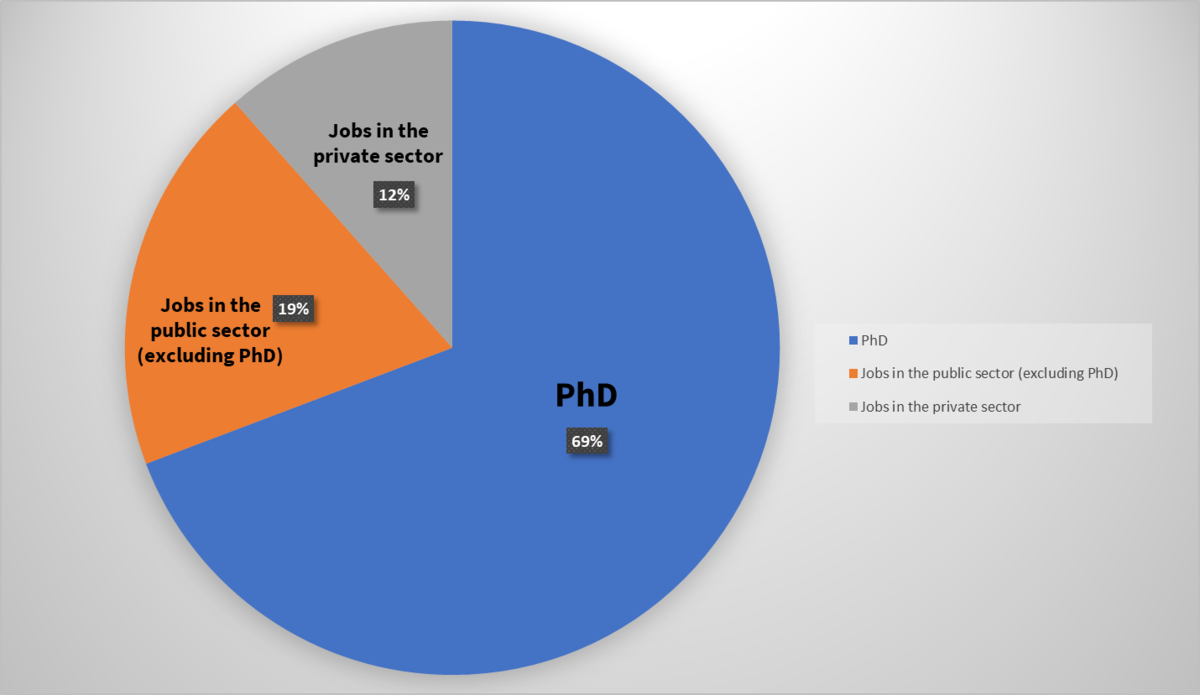
A2PM is a new master track, so no statistics are yet available regarding the future prospects of its graduates. However, applicants are invited to consult the statistics associated with the PMM master track and its predecessors, which share more than 50% of the A2PM training programme.
Below are some statistics for former students of the Erasmus Mundus Master BIOPHAM, who completed either their Master M2 at the University of Lille during the academic year [2022-2023] and [2023-2024]. The statistics is based on 26 students. After the master's degree, approximately 69% of students have continued towards a PhD. The others have gone for a direct employment either in the public or private sector.
Research examples
Below are examples of works published in the scientific literature by some students who performed the PMM master track and its predecessors (more 50% of the training is shared with A2PM) and specialized on pharmaceutical materials.
The aim of this work is to improve the understanding of the mechanisms underlying the polymorphic transformations of pharmaceutical materials during milling. Elucidating these mechanisms is essential for controlling the polymorphism of active pharmaceutical ingredients and thereby improving their performance
M. Guerain, A. Dupont, F. Danede, D. Barkhatova, J.-F. Willart, D. Barkhatova, New Kinetic Investigations to Better Understand the Mechanism of Polymorphic Transformations of Pharmaceutical Materials Induced by Milling, Pharmaceutics 17;11, 1404 (2025), [doi: 10.3390/pharmaceutics17111404]
Drug solubility and bioavailability are the most important formulation challenges in pharmaceutical development, probably because a major part of the active pharmaceutical ingredients (APIs) are synthesized in the crystalline state which is often a poorly water-soluble state. Mesoporous silica carriers have recently gained interest in the pharmaceutical domain because of their potential to significantly increase the solubility of poorly water-soluble drugs, by adsorbing the active molecule in an amorphous and relatively stable state. This work shows that co-milling of porous SBA-15 matrix with the drug makes it possible the drug loading without significant damage for the structure of the matrix, enhancing thereby the capacity of loading to almost 40 wt%. It is shown that the physical state of ibuprofen (IBP) confined to silica carriers was amorphous between temperatures Tg and Tm of the bulk form of IBP.
B. Malfait, N. Correia, A. Mussi, L. Paccou, Y. Guinet & A. Hédoux. Solid-state loading of organic molecular materials within mesoporous silica matrix: Application to ibuprofen (2019) Microporous and Mesoporous Materials 277 203-207 [doi: 10.1016/j.micromeso.2018.10.022]
Mixing polymeric excipients with drugs in amorphous solid dispersions (ASD) is known to enhance the bioavailability of drugs by inhibiting their recrystallisation. However, the mechanisms underlying stabilisation remain not fully understood. This study aims to improve our understanding of the role of dynamics, particularly the molecular movements that drive instabilities, through investigations of ASD made of Polyvinylpyrrolidone (PVP K12) and a model drug, Terfenadine. The analyses combine temperature modulated differential scanning calorimetry (MDSC) and dielectric relaxation spectroscopy. The results reveal that the produced ASDs are supersaturated with Terfenadine, regardless of the content, and that PVP slows down the dynamics of the blends, limiting the recrystallisation of the drug during heating. Although the ASDs appear homogeneous based on thermal analysis with a single glass transition consistently detected by MDSC, the investigation of the dynamics reveals a dissociation of the main relaxation into two components for PVP contents below 30 wt.%. This dynamic heterogeneity suggests a structural heterogeneity with the coexistence of two amorphous phases of different compositions, each characterised by its own dynamics. The complex evolution of these dynamics under recrystallisation is rationalised by the confrontation with the phase and state diagram of Terfenadine/PVP blends established by MDSC.
E. Dudognon, J.A. Bama, F. Affouard, Exploring the Relationship Between Stability and Dynamics in Polymer-Based Amorphous Solid Dispersions for Pharmaceutical Applications, Polymers 17;9, 1210 (2025), [doi: 10.3390/polym17091210]
Amorphous solid dispersions (ASD) are known to enhance the absorption of poorly water-soluble drugs. In this work we synthesise well-defined Polyvinylpyrrolidone (PVP) to establish the impact of dispersity and chain-end functionality on the physical properties of Curcumin (CUR)/PVP ASD. Thermodynamic characterisation of synthesised PVP emphasises a strong effect of the dispersity on the glass transition temperature (Tg), 50 °C higher for synthesised PVP than for commercial PVP K12 of same molar mass. This increase of Tg affects the thermodynamic properties of CUR/PVP ASD successfully formulated up to 70 wt% of CUR by milling or solvent evaporation. The evolution of both the Tg and CUR solubility values versus CUR content points out the development of fairly strong CUR-PVP interactions that strengthen the antiplasticising effect of PVP on the Tg of ASD. However, for ASD formulated with commercial PVP this effect is counterbalanced at low CUR content by a plasticising effect due to the shortest PVP chains. Moreover, the overlay of the phase and state diagrams highlights the strong impact of the polymer dispersity on the stability of CUR/PVP ASD. ASD formulated with low dispersity PVP are stable on larger temperature and concentration ranges than those formulated with PVP K12.
S. Samsoen, E. Dudognon, G. Le Fer, D. Fournier, P. Woisel, F. Affouard, Impact of the Polymer Dispersity on the Properties of Curcumin/Polyvinylpyrrolidone Amorphous Solid Dispersions, International Journal of Pharmaceutics 653, 123895 (2024), [doi: 10.1016/j.ijpharm.2024.123895]
The impact of low water concentration of strongly hydrogen-bonded water molecules on the dynamical properties of amorphous terfenadine (TFD) is investigated through complementary molecular dynamics (MD) simulations and dielectric relaxation spectroscopy (DRS) experiments. In this article, we especially highlight the important role played by some residual water molecules in the concentration of 1–2% (w/w) trapped in the TFD glassy matrix, which are particularly difficult to remove experimentally without a specific heating/drying process. From MD computations and analyses of the hydrogen bonding (HB) interactions, different categories of water molecules are revealed and particularly the presence of strongly HB water molecules. These latter localize themselves in small pockets in empty spaces existing in between the TFD molecules due to the poor packing of the glassy state and preferentially interact with the polar groups close to the flexible central part of the TFD molecules. We present a simple model which rationalizes at the molecular scale the effect of these strongly HB water molecules on dynamics and how they give rise to a supplementary relaxation process (namely process S) which is detected for the first time in the glassy state of TFD annealed at room temperature while this process is completely absent in a non-annealed glass. It also explains how this supplementary relaxation is coupled with the intramolecular motion (namely process γ) of the very flexible central part of the TFD molecule. The present findings help to understand more generally the microscopic origin of the secondary relaxations often detected by DRS in the glassy states of molecular compounds for which the exact nature is still debated.
J.A. Bama, E. Dudognon, F. Affouard, Impact of Low Concentration of Strongly Hydrogen-Bonded Water Molecules on the Dynamics of Amorphous Terfenadine: Insights from Molecular Dynamics Simulations and Dielectric Relaxation Spectroscopy, The Journal of Physical Chemistry B 125;40, p. 11292-11307 (2021), [doi: 10.1021/acs.jpcb.1c06087]
Morphological and structural properties of amorphous disaccharide lactulose (C12H22O11), obtained by four different amorphization methods (milling, quenching of the melt form, spray-drying, and freeze-drying), are investigated by scanning electron microscopy, polarized neutron scattering, and molecular dynamics simulations. While major differences on the morphology of the different amorphous samples are revealed by scanning electron microscopy images, only subtle structural differences have been found by polarized neutron scattering. Microstructure of the milled sample appears slightly different from the other amorphized materials with the presence of remaining crystalline germs which are not detected by X-ray diffraction. Quantitative phase analysis shows that these remaining crystallites are present in a ratio between 1 and 4%, and their size remains between 20 and 30 nm despite a long milling time of about 8 h. The impact of the change in tautomeric concentrations on the physical properties of lactulose in the amorphous state has been investigated from molecular dynamics simulations. It is suggested that chemical differences between lactulose tautomers could be at the origin of small structural differences detected by polarized neutron scattering.
F. Ngono, G.J. Cuello, M. Jimenez-Ruiz, J.-F. Willart, M. Guerain, A.R. Wildes, A. Stunault, M. Hamoudi, F. Affouard, Morphological and structural properties of amorphous lactulose studied by scanning electron microscopy, polarised neutron scattering, and molecular dynamics simulations, Molecular Pharmaceutics 17, 10-20 (2020), [doi: 10.1021/acs.molpharmaceut.9b00767]
Scholarships and funding opportunities
Graduate program at Univ. Lille
The Graduate Programs at the University of Lille offer scholarships with the aim of attracting exceptionally talented students to their master's programs. These scholarships not only reward academic excellence, but also aim to promote a diverse and dynamic academic community. In 2025, they were worth €8,500 for incoming international students enrolling for the first time in a French higher education institution and €4,500 for French students, international students already in France, and those extending their scholarship for a second year as part of a Master's degree in the Graduate Program.
For the 2025 academic year, the timelines were as follows
| Call | Applications | Results |
| #1 | 15 February 2027 - 30 March 2027 | 30 April 2027 |
Mobilex fellowships
Another possibility will be support from the Mobilex program at the University of Lille, upon recommendation by the director of studies. Candidates are picked through partnerships or among the applicants of the "Etudes in France" program. Applications are processed in the spring, for a fellowship starting in September.
Excellence Eiffel Scholarship Program
Developed by the Ministry of Foreign Affairs, the France Excellence Eiffel Scholarship Program provides annual training for future foreign decision-makers in the public and private sectors in degree programs at the Master's and Doctoral levels. Applications are submitted exclusively by French higher education institutions.
France Excellence Eiffel scholarship holders receive a monthly allowance of €1,200 (from January 2026), to which is added several services: International transportation, national transportation, insurance, housing searches, cultural activities, etc.
Applicants should contact the Campus France in their country of origin or the French Embassy's Cooperation and Cultural Action Department, who can guide them and advise you on your study plans. They should then contact the director of studies of the master program who can support their application inside the University.
See more details on the France Excellence Eiffel Scholarship Program.
Application deadline to the director of studies is in early November, for a fellowship starting in September of the following year.
Scholarships and funding opportunities from the Erasmus Mundus Master BIOPHAM
Students interested in a more international training experience may consider applying to the Erasmus Mundus Master programme BIOPHAM (BIO & PHArmaceutical Materials Science).
All students accepted into the BIOPHAM programme benefit from the following support throughout the two years:
- Tuition and registration fee waiver at all partner universities
- Comprehensive health insurance
- Financial support to attend key joint events (winter courses, award ceremony)
- Additional support for special needs, available upon request, for students with disabilities or sensory impairments
In addition, applicants may request a scholarship of €1,400 per month for 24 months (€33,600 total).
All applications are managed on the BIOPHAM website
Erasmus Mundus Master BIOPHAM
Students interested in a more international training experience may consider applying to the Erasmus Mundus Master programme BIOPHAM (BIO & PHArmaceutical Materials Science). It is a two-year (120 ECTS) programme taught entirely in English and jointly operated by the University of Lille (France), the University of Pisa (Italy), the University of Silesia in Katowice (Poland), and the Polytechnic University of Catalunya in Barcelona (Spain).
It is important to note that accordance with Erasmus Mundus policies, all students must spend at least two study semesters in two countries different from their country of residence.
The educational objective of the BIOPHAM programme is to train students to a level of excellence in one of three specialised, professionally oriented fields:
- Track 1: Pharmaceutical materials science
- Track 2: Biomaterials for pharmaceutical applications
- Track 3: Molecular biophysics of pharmaceuticals
In particular, the training programme for Track 1: Pharmaceutical Materials Science is offered by the University of Lille during the first semester of both Year 1 and Year 2. It closely corresponds to the curriculum of the A2PM master track during these two semesters.
All students accepted into the BIOPHAM programme benefit from the following support throughout the two years:
- Tuition and registration fee waiver at all partner universities
- Comprehensive health insurance
- Financial support to attend key joint events (winter courses, award ceremony)
- Additional support for special needs, available upon request, for students with disabilities or sensory impairments
In addition, applicants may request a scholarship of €1,400 per month for 24 months (€33,600 total).
All applications are managed on the BIOPHAM website